Share this

Digital Product and Human-Computer Interface Design

2026-04-06 02:39:36 · · #1
We can divide digital products into two categories: one is products produced by digital equipment, which are not digital in themselves, such as some products produced by CNC machine tools and machining centers; the other is products that are digital in themselves, such as digital cameras and scanners. Broadly defined human-computer interface: In the human-computer system model, there is an interactive "surface" between humans and machines, called the human-machine interface. Information exchange and control activities between humans and machines all occur on the human-machine interface. Various displays of the machine "act" on humans, realizing machine-human information transmission; humans receive information from machines through their senses such as vision and hearing, process and make decisions through their brains, and then react, realizing human-machine information transmission. The design of the human-computer interface is directly related to the rationality of the human-machine relationship. The study of human-computer interfaces mainly focuses on two issues: (1) display; (2) control. Narrowly defined human-computer interface refers to the human-computer interface in a computer system. Human-computer interface (HCI), also known as human-computer interface, user interface, or human-computer interaction, is one of the youngest branches of computer science. It is a product of the combination of computer science and cognitive psychology, while also incorporating research findings from linguistics, ergonomics, and sociology. Through more than 30 years of development, it has become one of the major disciplines characterized by the study of users and their relationship with computers. Especially since the 1980s, with the rapid development of software engineering and the impetus of research into next-generation computer technologies, human-computer interface design and development has become one of the most active research directions in the international computer community. With the development of computer and network technologies, the development of human-computer interface science will move in the following directions: 1. High-tech The revolution in information technology has brought about tremendous changes in the computer industry. Computers are increasingly becoming flat and ultra-thin; the application of portable and pocket-sized computers has greatly changed office modes; input methods have evolved from single keyboard and mouse input to multi-channel input. Tracking balls, touch screens, light pens, and voice input are all emerging; multimedia technology, virtual reality, and powerful visual workstations provide realistic and dynamic images and inspiring user interfaces, each demonstrating its capabilities in computer systems, making product design more diverse and colorful. Computer-aided product design software is constantly evolving. The emergence of CAD, CAM, SGI, Alias, Pro/D, and Pro/E has changed the way designers work, providing them with a wider range of design possibilities. This allows them to fully utilize advanced computer technology to create beautiful designs, significantly shortening product development cycles and time to market. This has helped companies gain market share and built a good bridge for users to achieve functionality. For example, Pro/DESIGNER-assisted camera design uses a productive, intuitive user interface, reducing the steps required for the most frequently used functions by as much as 65%. 2. Naturalization Early human-computer interfaces were very simple, with human-computer interaction using machine language. Due to advancements in hardware technology and software technologies such as computer graphics, software engineering, artificial intelligence, and window systems, interactive principles and methods such as graphical user interfaces (GUIs), direct manipulation, and "what you see is what you get" have emerged and been widely applied, replacing the old "command-based" operation method and propelling the naturalization of human-computer interfaces forward significantly. However, people are no longer satisfied with simply displaying or printing information on screens. They further demand the ability to more naturally "enter" the environment through sight, hearing, smell, touch, and physical gestures or commands, forming a "direct dialogue" between humans and machines to achieve an "immersive" experience. At this stage, design should fully leverage its integrative and coordinating role, conducting in-depth research in graphic arts, psychology, and ergonomics. In soft interface design, natural language should be used as much as possible, developing various forms such as graphics, text, sound, and light to make the visual space more vivid and realistic, simulating or even surpassing real life. In hard interface design, the functional allocation between humans and machines should be balanced, fully utilizing human efficiency so that people can "enjoy" the achievements of high technology; various command languages ​​and button settings should be more clearly defined, and the operation method more natural, harmonizing the soft and hard interfaces. 3. Humanization Modern design styles have gradually shifted from functionalism to diversification and humanization. Today's consumers demand self-expression, personal style, and aesthetic taste, which is reflected in increasingly diverse and refined product designs, embodying a sense of humanity and individuality. On the one hand, they require products to be fully functional, efficient, and user-friendly; on the other hand, they must also satisfy people's aesthetic and cognitive needs. Modern computer design has shed the old, purely mechanical, boxy aesthetic. Sharp edges have been rounded; the single color beige is no longer the dominant color; machines are more compact and refined, imbued with human emotion. The use of color and icons in software interfaces, the organization of screen layouts, and the continuity and commonality between software operations all fully consider human factors, making operation simpler and more user-friendly. Establishing natural and human-computer interfaces has become a major research topic in today's information society. The graphical user interface (GUI) we continue to use has its inherent shortcomings. In a human-computer interaction interface, the computer can use multiple media, while the user can only interact through one channel at a time. The communication bandwidth from the computer to the user is much greater than that from the user to the computer, resulting in an unbalanced human-computer interaction. Currently, human-computer interaction is shifting from precise to fuzzy logic, from single-channel to multi-channel, and from two-dimensional to three-dimensional interaction, developing fast and low-power multi-channel interfaces between users and computers. 4. A Harmonious Human-Computer Environment In the future, computers should be able to hear, see, and speak, and should also be able to "understand human emotions," that is, understand and adapt to human emotions or moods. The future development of computers is human-centered, and computers must be easy to use, allowing people to interact with computers in natural ways such as language, text, images, gestures, and facial expressions. Many foreign companies such as IBM and Microsoft have established research institutes in China with human-computer interfaces as their primary research task. We must gain the initiative in technological competition, especially in areas such as Chinese speech and character recognition. Here, the key software solutions include: Chinese language recognition and natural language understanding, virtual reality technology, character recognition, gesture recognition, and facial expression recognition. We strive to make Chinese language recognition a popular human-computer interaction method within 5-10 years, and for new technologies such as gesture recognition and facial expression recognition to begin application. Faced with the ever-evolving science and technology, design should examine itself from a new perspective. In my opinion, it should: 1. Keep pace with the times. With the increase in high-tech content, the quality of modern products has changed. High-tech products, while improving functionality, also enhance aesthetic value. High technology is a means for us to understand and transform the world. Only by mastering advanced production tools can we make our "tools" sharper, and only then can our designs possess the characteristics of the times and keep pace with the times. 2. Understand people. Designers must use a completely new language to reflect the humanistic requirements within culture and society, delve into the deep subconscious of people, communicate human emotions, and facilitate exchange and integration. Therefore, designers must use design language to enable users to understand the product's design concept, implying the integration of design emotion, and "evoking resonance in users' usage and emotions." This not only conveys the power of industrial technology but also must be rooted in a broader and deeper historical and cultural structure.
Read next

CATDOLL Q Soft Silicone Head

You can choose the skin tone, eye color, and wig, or upgrade to implanted hair. Soft silicone heads come with a functio...

Articles 2026-02-22
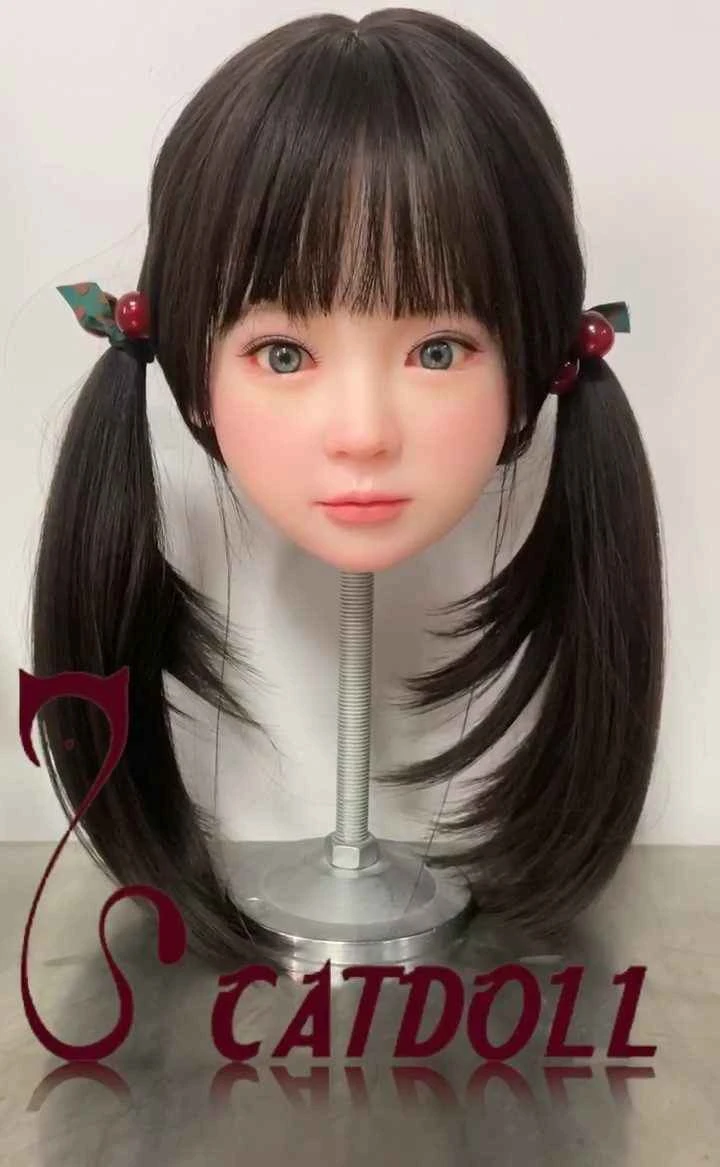
CATDOLL Cici Soft Silicone Head

CATDOLL Cici Soft Silicone Head

Articles
2026-02-22
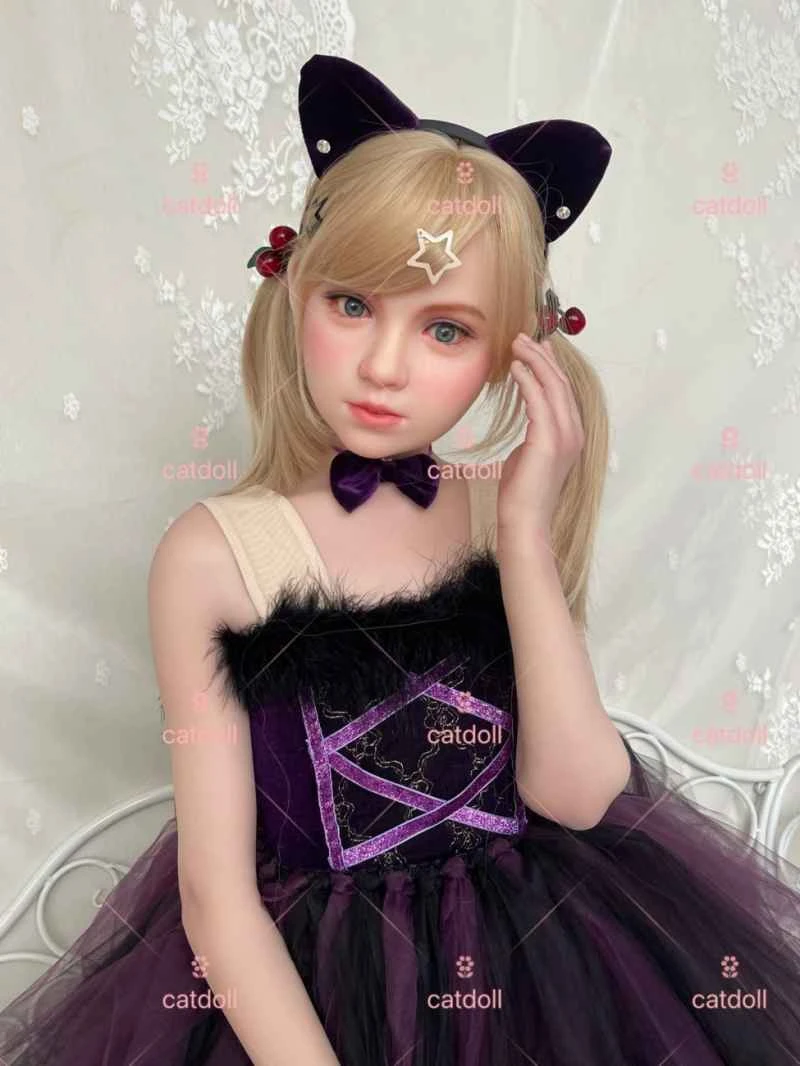
CATDOLL 139CM Sasha Silicone Doll

CATDOLL 139CM Sasha Silicone Doll

Articles
2026-02-22

CATDOLL 102CM Ling Anime Doll

CATDOLL 102CM Ling Anime Doll

Articles
2026-02-22