Share this

Suspension motion control system design

2026-04-06 03:03:46 · · #1
Introduction Suspension motion systems are increasingly used in modern industrial control, vehicle motion, and medical equipment systems. In these systems, the suspended motion components are typically the specific actuators; therefore, the accuracy of the suspension component's motion is a decisive factor in the overall system performance. However, achieving precise control of the suspension motion control system in practice is very difficult. We designed a suspension motion control system using an AT8951 microcontroller and a stepper motor. The microcontroller generates pulse signals to drive a stepper motor with precise step distances, which in turn drives the suspension components to perform specific and accurate movements on a plane. System Hardware Design and Implementation The hardware of this system can be divided into a control section, a motor drive section, a keyboard input section, and a display section. 1. Control Section: The control section of the system is a single-chip microcomputer minimum system. The microcontroller uses the AT89C51 chip from ATMEL. As a system control chip, the AT89 series has strong arithmetic operation capabilities and can be programmed in different languages ​​(such as C and assembly language). Programming is simple, and it is easy to implement control requirements and algorithms. Furthermore, the AT89C51 chip has advantages such as small size, low power consumption, low cost, and simple and convenient program writing. 2. Drive Section: To achieve precise hardware drive of the stepper motor, we use two high-performance microstepping SM-202A drive controllers. These controllers employ a new type of bipolar transverse current chopper technology with a wide input frequency range, resulting in high motor operating accuracy, low vibration, low noise, and smooth operation. They are suitable for driving any small to medium-sized two-phase or four-phase hybrid stepper motor. Moreover, the driver also indicates the current corresponding to each button opening and closing, the driver's static torque, and the step angle, which greatly facilitates the actual operation of the motor. 3. The digital tube display circuit design uses the PE1 and P1 ports of the microcontroller to control the display of the digital tube. The P1 port is used as the selection terminal of the digital tube, and the P1 port is used as the output terminal to display the coordinates of the set point on the digital tube. The digital tube display can display the input coordinates to prevent unnecessary trouble caused by input data errors. The hardware circuit is shown in Figure 1. P1 and P2 are used as pulse wave input ports (connected to the pulse signal terminals of SM-202). P1 and P2 are used as control terminals for the motor's running direction. A position is set by software, and the motor's running direction changes when the object reaches that position. P1 and P2 are used as drivers to control the motor's state, locking the motor when the object reaches a certain location. P1 and P2 are used as display indicators for motor rotation. They are connected to LEDs via P1 and P2. The LEDs light up when the motor rotates and turn off when it stops. The P port is used as the keyboard input port, with the lower four bits representing the row and the higher four bits representing the column. A keyboard scanning method is used to determine the pressed key, thereby setting the parameters of the coordinate point. The system software design uses a permanent magnet stepper motor, which is a two-phase hybrid motor. When the stator control windings are continuously energized in a certain sequence, the stepper motor rotates continuously. The motor speed is independent of the input voltage, external temperature, and load. When the number of phases and step angle are set, its speed is directly proportional to the frequency of the input pulses. Changing the pulse frequency can achieve the desired speed, thus easily controlling the stepper motor's trajectory and distance on a fixed plane. When the control pulse input stops, allowing the last pulse to continue supplying DC to the control winding, the motor can be fixed in one position, allowing the object to stop at the corresponding point on the plane after movement. This is a brief introduction to the software design for using a motor to drive an object to move between any two points on the drawing board and to draw circles (circles). 1. **Arbitrary Two-Point Subroutine:** To enable the object to move from any point on the board to another, an arbitrary two-point subroutine was written, as shown in Figure 2. 2. **Circle Drawing Subroutine:** To allow the object on the board to draw a circle with radius r, based on the arbitrary two-point movement subroutine, eight symmetrical points are taken around the circumference. The circle is drawn using a segment-by-segment approach method. Each segment uses the arbitrary two-point subroutine to implement the circle drawing process, as shown in the figure below. The pen is manually positioned at point 1, the arbitrary two-point subroutine is called to reach point 2, then point 3, and so on, finally returning to point 1. The program flowchart is shown in Figure 3. Conclusion: After system design and debugging, this control system has been tested and applied in experiments and medical device modifications. By reducing the stepper motor step angle and setting more positioning points, the system's accuracy has been further improved. Click here to download materials: Suspension Motion Control System Design. Editor: He Shiping
Read next

CATDOLL 123CM Momoko (TPE Body with Soft Silicone Head)

Height: 123cm Weight: 23kg Shoulder Width: 32cm Bust/Waist/Hip: 61/54/70cm Oral Depth: 3-5cm Vaginal Depth: 3-15cm Anal...

Articles 2026-02-22
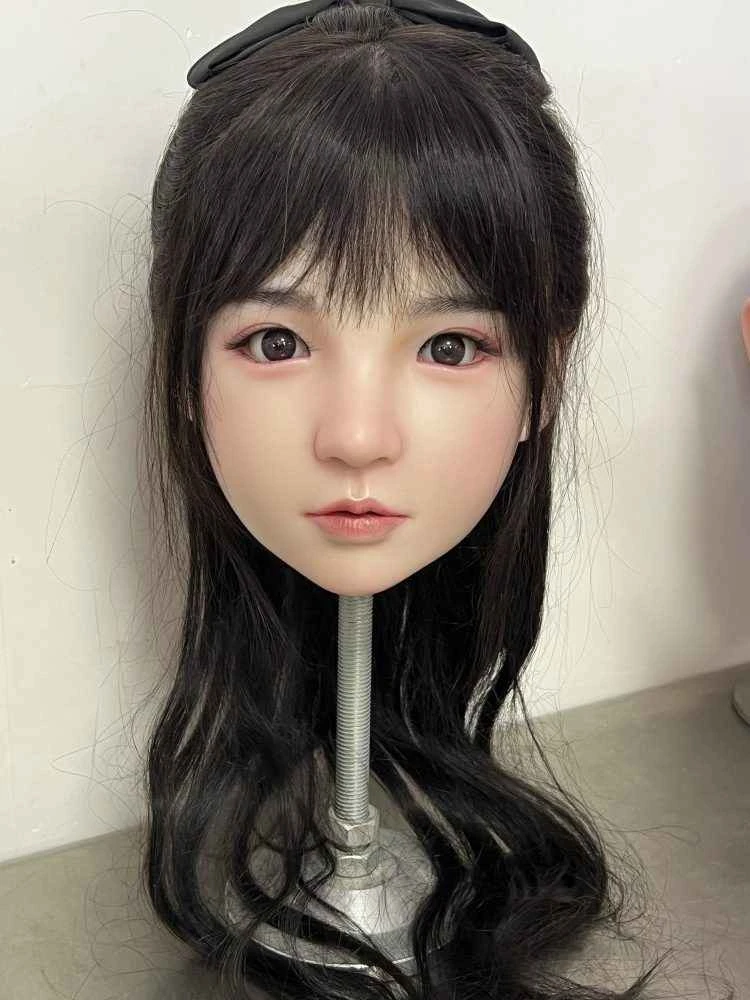
CATDOLL Miho Hard Silicone Head

CATDOLL Miho Hard Silicone Head

Articles
2026-02-22
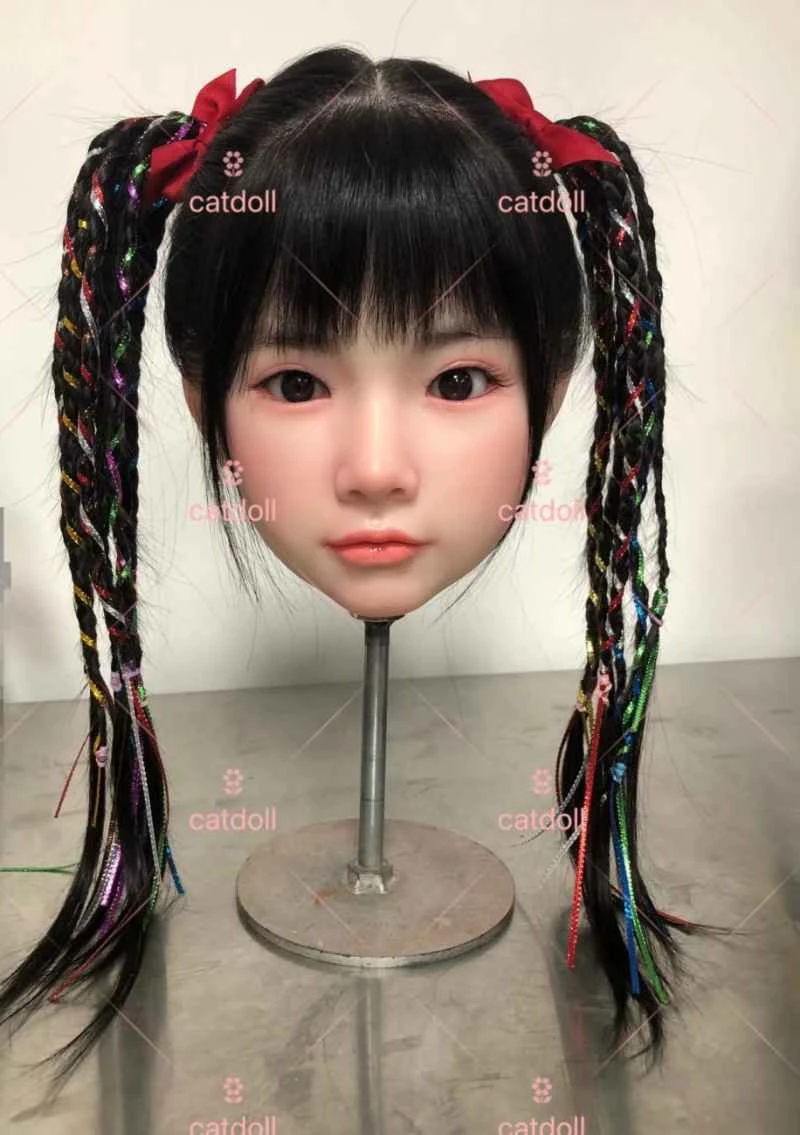
CATDOLL Yuki Hard Silicone Head

CATDOLL Yuki Hard Silicone Head

Articles
2026-02-22
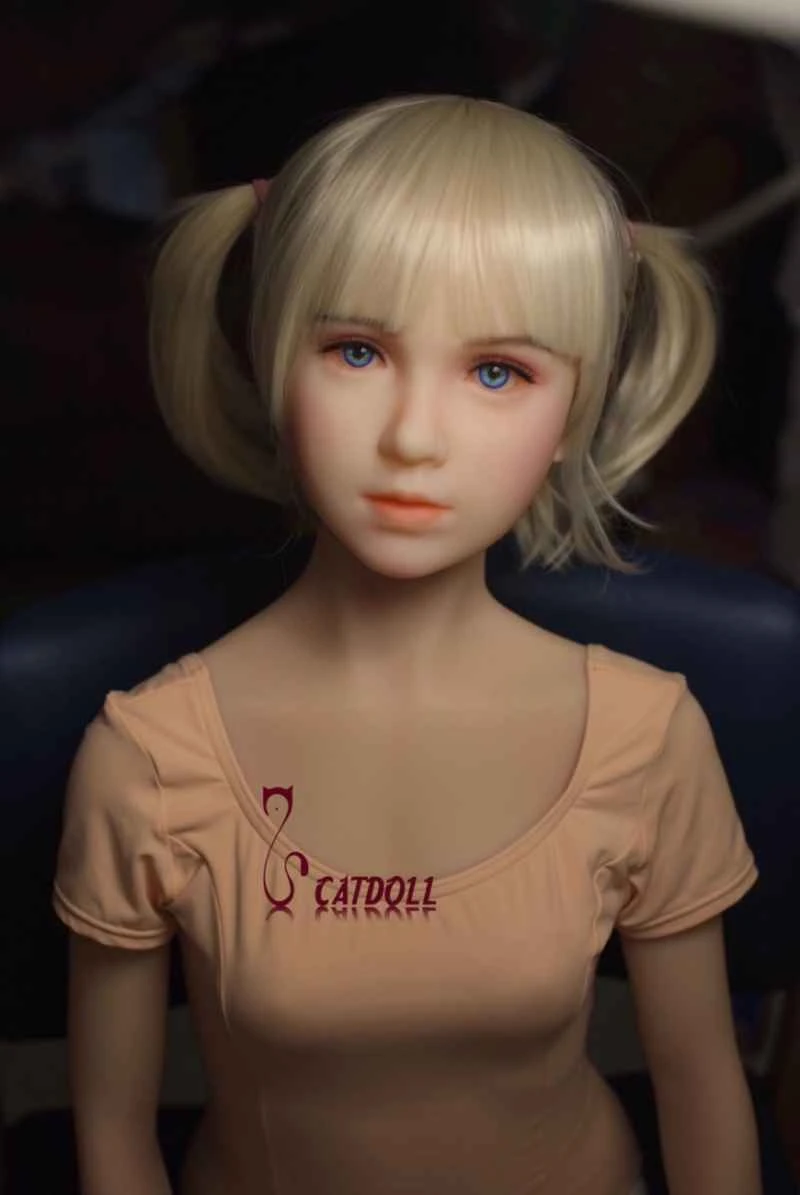
CATDOLL 146CM Sasha TPE

CATDOLL 146CM Sasha TPE

Articles
2026-02-22