With the development of the automation industry, machine vision systems are widely used in assembly positioning, product quality inspection, product recognition, and product size measurement. They also improve the flexibility and automation of production. In hazardous working environments unsuitable for manual labor or in situations where human vision is insufficient, machine vision is often used to replace human vision. Furthermore, in large-scale industrial production, manual inspection of product quality is inefficient and lacks precision; machine vision inspection methods can significantly improve production efficiency and automation. Below, Chengdu Xiwang will briefly introduce the characteristics of machine vision systems :
(1) Repeatability – Machines can complete inspection tasks repeatedly using the same method without getting tired. In contrast, the human eye makes subtle differences each time it inspects a product, even if the products are exactly the same. (2) Accuracy – Due to the physical limitations of the human eye, machines have a significant advantage in accuracy. Even when the human eye relies on a magnifying glass or microscope to inspect products, the machine is still more accurate because its precision can reach one-thousandth of an inch. (3) Speed – Machines can inspect products faster. Especially when inspecting high-speed moving objects, such as on a production line, machines can improve production efficiency. (4) Objectivity – Human eye inspection has a fatal flaw: subjectivity due to emotions. Inspection results can vary depending on the worker's mood, while machines are not affected by emotions, so the inspection results are naturally very objective and reliable. (5) Cost – Because machines are faster than humans, one automatic inspection machine can perform the work of several people. Moreover, machines do not need to stop, do not get sick, and can work continuously, thus greatly improving production efficiency. This article is from: http://www.cdxiwang.comRead next
CATDOLL 115CM Momoko TPE
Height: 115cm Weight: 19.5kg Shoulder Width: 29cm Bust/Waist/Hip: 57/53/64cm Oral Depth: 3-5cm Vaginal Depth: 3-15cm An...
Articles
2026-02-22

Discussion on the Integration and Upgrading of DCS Control Systems
Articles
2026-02-22
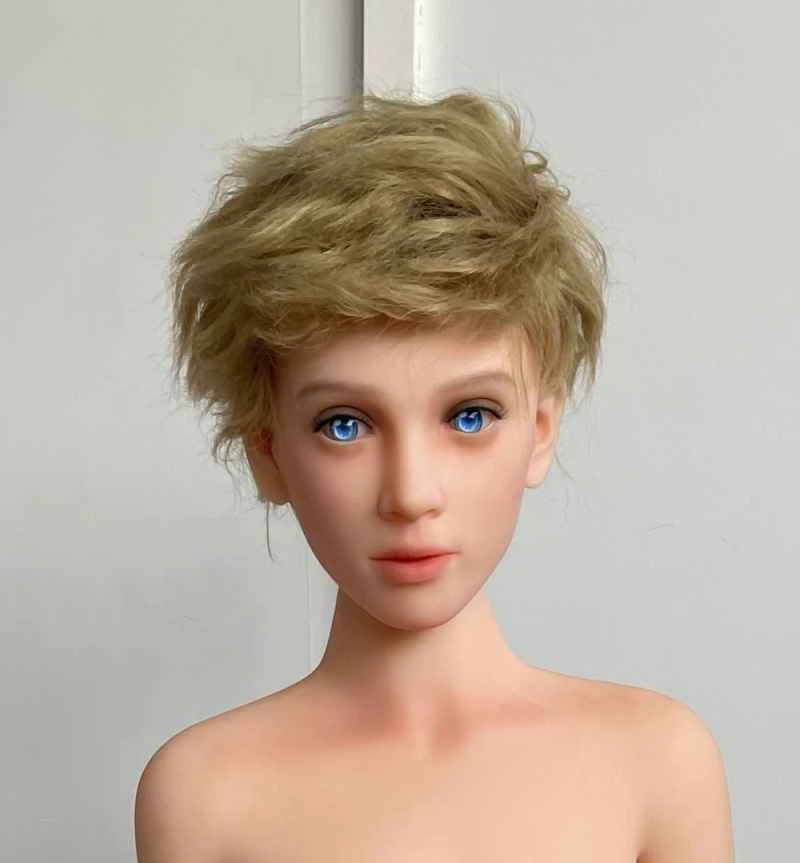
CATDOLL 133CM Jao Shota Doll
Articles
2026-02-22
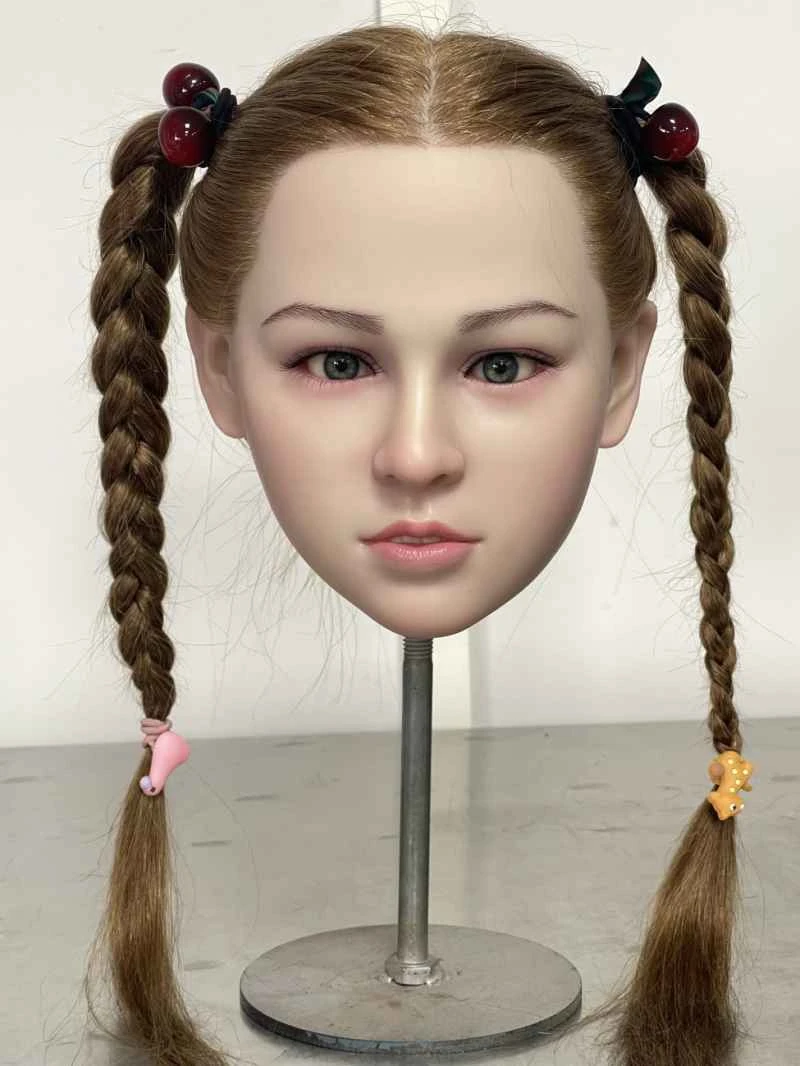
CATDOLL Christina Hard Silicone Head
Articles
2026-02-22