A steel wire is fixed to one end of the rail, and a weight is suspended from the other end via a pulley. The two ends of the wire are then adjusted so that when the microscope is positioned at either end of the rail, the wire aligns with the etched lines on the lens. The wire should form an ideal straight line in the horizontal plane. The linear module's moving slider is used to check the straightness of the rail in any position, adjusting the rail to within 0.3mm of straightness in the horizontal plane. A precision guide rail is then installed using a matching method, facilitating further adjustments. After cleaning, the guide rail is slowly moved in the same direction along its edge to check for wear. If a burr is felt, it needs further inspection, as it may indicate wear. In this case, the traveling arm is slowly pushed forward by hand to check if the slider experiences significant resistance at this point, or if the traveling arm is difficult to push. If the resistance is high, the guide rail needs to be replaced immediately. General handling measures for servo electric cylinders: Select sealing rings with low friction coefficients and good sealing performance; linear module manufacturers strictly control the dimensional tolerances of their grooves and the surface roughness of the machined surfaces. Rolling linear guides are common components in the machinery industry; their quality directly affects the precision and service life of mechanical equipment, therefore, the guides are required to have high wear resistance and stability. Although ion nitrided guides can achieve high hardness and wear resistance, linear motors experience significant deformation during nitriding, thus limiting the availability of ion nitrided guides. With the advancement of high-tech civilization, the demand for automation equipment will continue to grow, and the requirements for precision will become increasingly stringent, necessitating high-quality maintenance. Therefore, we need continuous innovation to create a better tomorrow. Taking linear guides as an example, orthogonal manipulators can advance the slide table with relatively small feed forces, and the movement is simple and stable. However, if the rigidity of the feed system is poor, it can easily cause the slide table to creep or swerve. This creep is different from traditional creep; it is not caused by friction on the guide surface, but by the poor rigidity of the system feed. Therefore, the solution will also be different, and the stability of the system should be improved. We generally use vacuum-specific lubricating greases, and for miniature electric steels, we use fluorinated oil with low vapor pressure as the base oil for operation. Solid lubrication, specifically the S-film lubrication method, is a fully solid lubrication developed for use in atmospheric pressure to high vacuum environments. To meet the rapid development of the machine tool industry in the process of industrial automation, more and more companies are adopting linear guides and other rolling element guidance systems, increasing the forward and backward speed of single-axis arms from a few meters per minute to tens of meters per minute. The use of rolling linear guides greatly improves machine tool production efficiency. During its service life, the machine tool repair rate is reduced, and it can operate continuously.
Read next
CATDOLL 108CM Beth (TPE Body with Hard Silicone Head)
Height: 108cm Weight: 14.5kg Shoulder Width: 26cm Bust/Waist/Hip: 51/47/59cm Oral Depth: 3-5cm Vaginal Depth: 3-13cm An...
Articles
2026-02-22
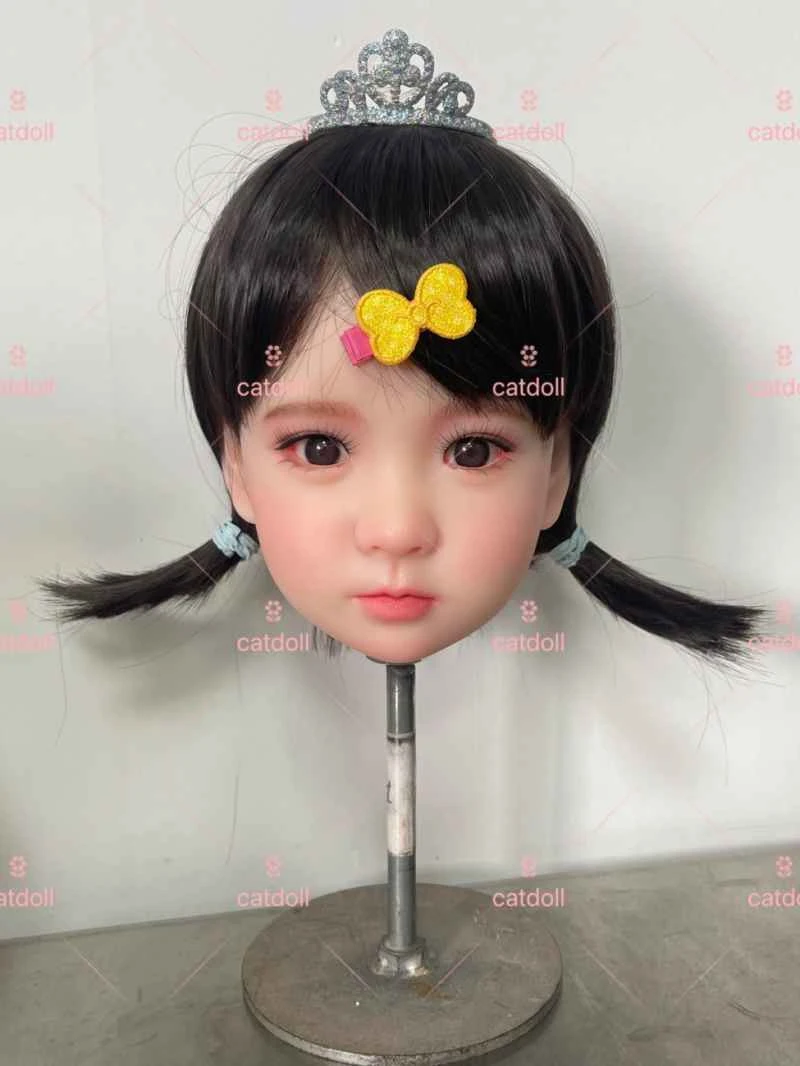
CATDOLL Q Soft Silicone Head
Articles
2026-02-22
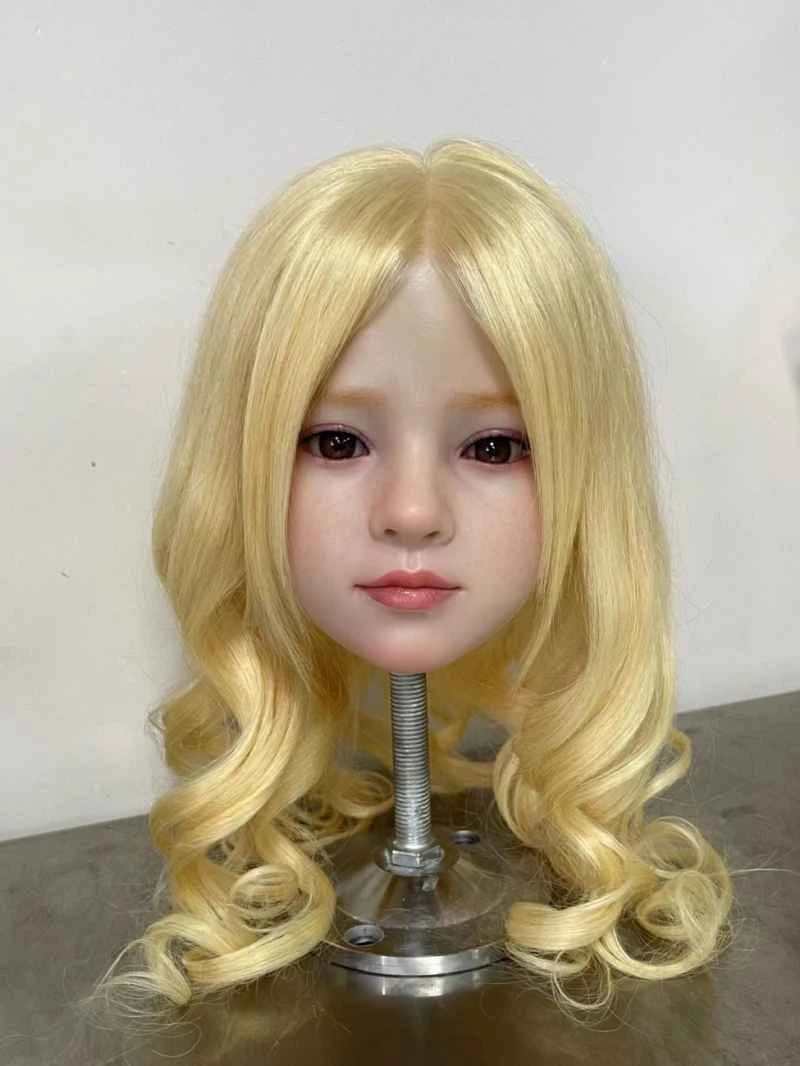
CATDOLL Ava Hard Silicone Head
Articles
2026-02-22

CATDOLL 140CM Qing TPE
Articles
2026-02-22