Share this

Automated control of air compressor stations using PLC automatic control systems

2026-04-06 07:36:50 · · #1
With the widespread use of air-jet looms in cotton textile enterprises, the construction of air compressor stations is an important auxiliary project. In the Tianjin Textile Industrial Park, all air compressor stations are equipped with centrifugal air compressors and refrigerated air dryers. These systems, consisting of air tanks, connecting pipes, and valves, form a compressed air supply system, complemented by cooling systems, instrument air systems, and computer monitoring systems. This ensures that the air compressor stations can meet the air demand of the production line under different pressures and loads. Ensuring qualified air quality, meeting stable air source pressures, and automatically adjusting the air flow rate are the basic tasks of the automatic control system in air compressor stations. With the continuous improvement of automation levels, discussions about building unmanned air compressor stations are an inevitable topic in the development process. The Necessity of Automatic Control of the Air System This system is applied in the air compressor station of the No. 1 cotton mill of Tianfang Investment Holding Co., Ltd. It is equipped with four centrifugal air compressors (70 m³/min, 4 53 m³/min, 2 48 m³/min, and 4 43 m³/min) and one screw air compressor (42.5 m³/min), along with refrigerated dryers of corresponding capacity. The air compressors have built-in CMC controllers that automatically control and protect the operation of the main unit, automatically provide operating information, have fault alarms and protective shutdown functions, automatically load or unload according to air consumption, and are equipped with LCD displays for on-site observation of various process parameters and equipment status. It also has RS422/485 communication interfaces, enabling complete connection with the computer monitoring system in the on-site control room. Currently, the automatic control system of the air compressor station uses a Siemens S7-300 programmable controller to collect real-time operating data from some air compressors via RS422/485 communication interfaces and transmit the data to the computer in the field control room for display, replacing traditional instruments. However, it does not control the air compressors themselves. The CMC controller built into the air compressor equipment can control a single air compressor well, but it lacks the ability to regulate the entire air compressor system. In an air compressor system, the overall automatic regulation of the air compressor system is more important than adjusting a single air compressor: ■ A single air compressor cannot guarantee the stability of the overall air supply pressure of the air compressor system, while the overall automatic control of the air compressor system can effectively maintain the stability of the air pressure within the system. ■ Overall load balancing reduces exhaust venting, saving more energy and labor costs. ■ It can achieve unmanned operation, automatically starting or loading air compressors as needed to maintain system pressure. ■ It can periodically record air compressor operating data and alarms, such as tripping, surge, communication failure, and pressure. The existing PLC system lacks overall control functionality for the air compressor system. Since the air compressor's built-in CMC controller provides an RS422/485 communication interface, all data acquisition and control functions are implemented through this interface. Compared to the original control system, no additional hardware investment is required; only improvements and additions to the control software are needed to achieve overall control of the air compressor system. In addition to the air compressor itself, the refrigerated dryer配套 with the air compressor can also be integrated into the RS422/485 network, achieving comprehensive automation of the air compressor supply equipment. Automatic Control of Other Systems in the Air Compressor Station Besides the air compressor supply system, other systems in the air compressor station also require automatic control, such as the water circulation cooling system. The control methods for these systems differ from those of the air compressor supply system, primarily employing traditional control modes. By collecting the necessary operating parameters using instruments, processing and analyzing the data, and then outputting control signals to the actuators, automatic system control can be achieved. Automatic control has the following advantages: ■ Simple operation, enabling unattended operation; ■ Good real-time adjustment, preventing delays caused by human factors; ■ High reliability; ■ Reduced workload for staff; ■ Reduced labor costs. Parameters to be controlled and possible control methods : The control requirements for an air compressor station include: (1) High and low pressure air supply control (automatic start/stop control of the unit); (2) Automatic drainage control of the system; (3) Circulating water level control and automatic chemical dosing control; (4) Control of required parameters such as compressed air temperature and circulating water temperature, etc. The overall automatic control of the air compressor system can generally be achieved using one of the following two methods: (1) Using a PLC system for communication and control; (2) Using control software developed by Ingersoll Rand or a custom-developed system. The first method has high reliability and is suitable for industrial control systems. When the monitoring computer malfunctions, the PLC can still perform automatic control according to the set program. The second method involves separate analysis and calculation by the computer of the control system for control. It has better flexibility, but the disadvantage is that if a malfunction such as a computer crash occurs, it may affect the normal operation of the system. Fortunately, computer recovery usually does not take much time. In addition to the automatic control of the compressed air supply system, the air compressor station can establish an equipment control network with the refrigeration and heating station systems to achieve centralized control, or it can be networked with the factory control center for real-time remote monitoring by the controller in the control center, achieving true unattended operation. System Composition For the above discussion, if overall automatic control of the air compressor station is required, many mature PLC automatic control systems can be selected. Here, we take the PLC automatic control system of ZH Company as an example. This automatic control system uses a Siemens S7-300 series programmable controller with an RS422/485 network interface, supporting MODBUS and other related network communication protocols. This system can be remotely networked using dedicated industrial communication network technology. The air compressor station automatic control equipment can be configured according to the actual production situation, the characteristics of each piece of equipment, and potential problems, taking into account various factors to establish a hierarchical control network implementation plan, as shown in Figure 1. ■ Hardware Configuration: Field instruments, controlled equipment, actuators, equipment with serial communication interfaces (such as air compressors, refrigerated dryers, etc.), PLC, and monitoring computer. ■ Software Functions: Dedicated industrial configuration software (such as WINCC or iFIX) is used to monitor and operate the entire production process, providing communication, display, and report management functions for the control system. Each equipment controller forms a self-contained subsystem, and its application functions include: information acquisition, equipment control, fault alarm, interlock protection, data processing, and communication transmission. During system implementation, fault detection and diagnosis procedures can be introduced to improve the system's intelligence level and further enhance the effectiveness and reliability of the automatic control system. By optimizing scheduling strategies and applying automatic control function modes such as software interlock protection, it is expected that the level of automation can be raised to a higher level, providing a basis for determining the condition-based maintenance points of air compressor equipment and thereby obtaining greater benefits. Conclusion In summary, automated control can overcome adverse factors such as adjustment lag caused by human factors, reduce fluctuations in operating parameters, and achieve the goals of reducing labor and saving energy. This is quite important for improving the overall technical level of Tianfang Holdings Co., Ltd. Editor: He Shiping
Read next

CATDOLL 108CM Beth (TPE Body with Hard Silicone Head)

Height: 108cm Weight: 14.5kg Shoulder Width: 26cm Bust/Waist/Hip: 51/47/59cm Oral Depth: 3-5cm Vaginal Depth: 3-13cm An...

Articles 2026-02-22
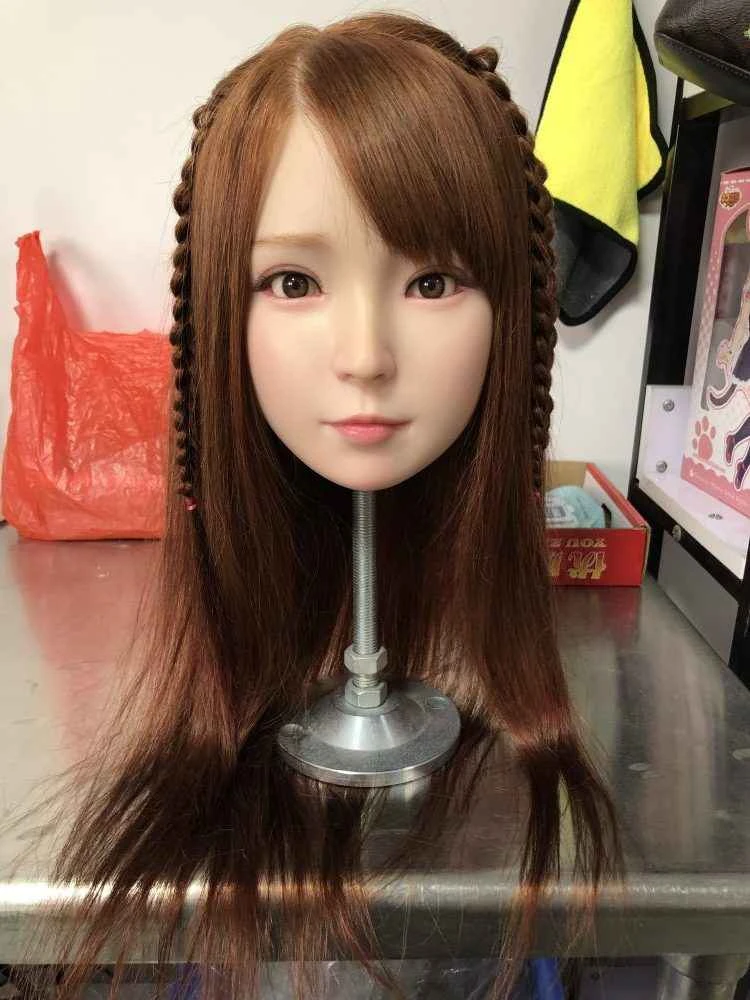
CATDOLL Jo Hard Silicone Head

CATDOLL Jo Hard Silicone Head

Articles
2026-02-22

CATDOLL 128CM Katya Silicone Doll

CATDOLL 128CM Katya Silicone Doll

Articles
2026-02-22
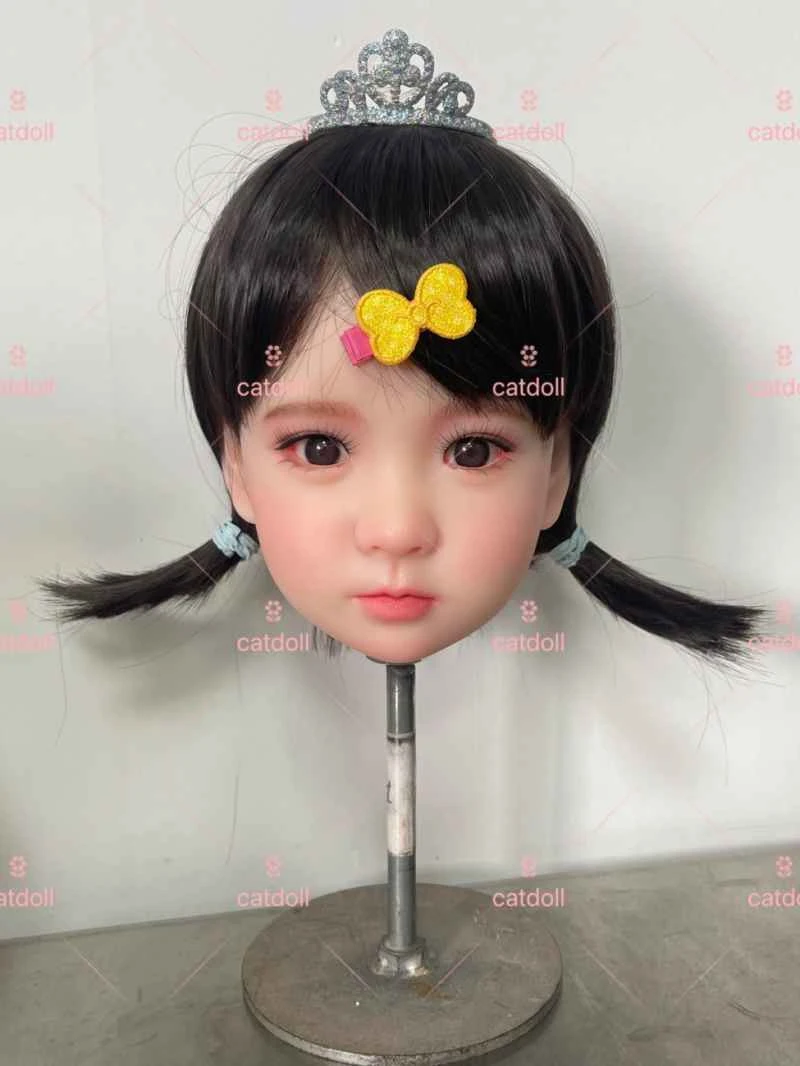
CATDOLL Q Soft Silicone Head

CATDOLL Q Soft Silicone Head

Articles
2026-02-22